Underground excavations in Cleveland represent a specialized branch of geotechnical engineering that encompasses the planning, design, construction, and monitoring of subsurface openings in complex urban and natural environments. From soft-ground tunnels beneath the city's historic districts to deep excavations for new infrastructure, this category addresses the critical need to safely and efficiently create space below ground while managing groundwater, soil stability, and adjacent structures. Cleveland's aging combined sewer overflow system, expanding transportation networks, and redevelopment of underutilized industrial parcels have driven demand for advanced underground construction techniques. These projects require a thorough understanding of local geology and strict adherence to both national and state regulations to mitigate risks such as ground settlement, face instability, and structural damage.
Cleveland's subsurface conditions are shaped by its location along the southern shore of Lake Erie and the Cuyahoga River valley. The region features a complex sequence of glacial deposits, including stiff to hard glacial tills, lacustrine silts and clays, and fluvial sands and gravels, overlying Devonian-age shale and siltstone bedrock. Soft, compressible clay layers and water-bearing granular soils present significant challenges for tunnel boring machine (TBM) drives and cut-and-cover excavations. Groundwater levels are often high due to the proximity of Lake Erie, requiring robust dewatering and waterproofing systems. Additionally, the presence of buried debris, old foundations, and undocumented utilities in former industrial areas adds a layer of uncertainty that demands thorough site investigation and adaptive design approaches, such as those detailed in our geotechnical analysis for soft soil tunnels.
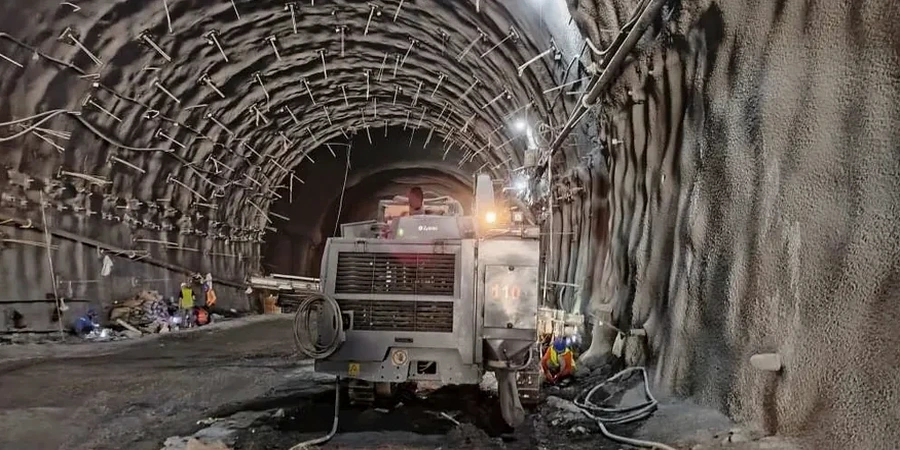
Regulatory compliance is a cornerstone of all underground excavation work in Cleveland. Projects must conform to the Ohio Building Code, which references the International Building Code (IBC) and the Ohio Department of Transportation (ODOT) specifications for public works. Federal standards from the Occupational Safety and Health Administration (OSHA), particularly Subpart P for excavations and Subpart S for tunneling, govern worker safety and support system design. The City of Cleveland's Division of Engineering and Construction also enforces local permitting and inspection requirements, including vibration monitoring and pre-construction condition surveys for adjacent properties. Environmental regulations, such as those administered by the Ohio EPA, apply when dealing with contaminated soils or groundwater, making it essential to integrate geotechnical and environmental assessments from the earliest planning stages.
The types of projects that rely on underground excavation expertise in Cleveland span public infrastructure, commercial development, and industrial applications. Major sewer separation and storage tunnel programs, like Project Clean Lake, involve miles of deep rock and soft-ground tunnels that demand meticulous geotechnical design of deep excavations for shafts and connection structures. Transportation initiatives, including proposed rail extensions and roadway underpasses, require sequential excavation methods and ground improvement to protect active traffic corridors. Private sector developments, such as underground parking garages and building basements in the dense downtown core, necessitate robust support of excavation systems and real-time geotechnical excavation monitoring to safeguard neighboring landmarks. Even smaller-scale trenchless installations for utility upgrades benefit from the principles of underground excavation engineering to minimize surface disruption.
Quick answers
What are the primary geotechnical risks associated with underground excavations in Cleveland?
The main risks include face instability in soft clays and silts, excessive groundwater inflow from Lake Erie-influenced aquifers, settlement damage to adjacent historic buildings, and encountering buried obstructions in former industrial areas. Proper site characterization, dewatering, and continuous monitoring are essential to mitigate these hazards effectively.
Which regulations govern underground excavation projects in Cleveland?
Projects must comply with OSHA Subpart P and Subpart S for worker safety, the Ohio Building Code based on the IBC, ODOT specifications for public works, and City of Cleveland permitting requirements. Environmental oversight from the Ohio EPA applies when contaminated soils or groundwater are present.
How do local soil conditions affect the choice of excavation method in Cleveland?
Cleveland's glacial tills, soft lacustrine clays, and high groundwater favor methods like earth pressure balance TBMs for tunnels and secant pile or slurry walls for deep shafts. Ground improvement, such as jet grouting or dewatering, is often required to stabilize granular soils and ensure safe excavation progress.
What monitoring techniques are recommended for underground excavations in urban areas of Cleveland?
Recommended monitoring includes surface settlement points, inclinometers, piezometers, vibration sensors, and real-time automated total stations. These tools track ground movement, groundwater changes, and structural response, enabling timely adjustments to excavation support and protecting surrounding infrastructure.